Periodontal treatment focuses on the health of the gums, bones, and other supporting structures of teeth.
Gum disease is a common problem affecting millions worldwide and can lead to serious health problems if left untreated. Many factors affect the health of gum tissue, including home care like brushing, flossing, diet, systemic issues, and the medications taken to control them.
Visiting the dentist regularly can quickly reverse the early stages of gum disease (gingivitis) before it advances to the dangerous condition called periodontitis.
Dr. Vlad Fedin offers periodontal treatment in Chicago, Illinois, to keep his patients’ smiles healthy and beautiful while helping them avoid potentially severe complications of gum disease.
Are You a Candidate for Periodontal Treatment?
Gum disease can cause various symptoms, including red, swollen, bleeding, or receding gums and bad breath. Gum disease is extremely common, and if you haven’t been to the dentist in a while, chances are you have gingivitis.
If your gums bleed regularly or feel tender or swollen, your condition has likely progressed to periodontitis.
Everyone needs professional gum care to prevent damage to the underlying bone and soft tissue of the mouth, which can lead to tooth loss and other health problems.
If you’re past due for a dental check-up or have symptoms of gum disease, call (312) 642-6631 to reach our Chicago, Illinois, periodontic provider and schedule a visit ASAP!
What Are the Benefits of Gum Disease Treatment?
Brushing your teeth at least twice a day, flossing daily, and using an anti-bacterial mouthwash provide an excellent foundation for ideal oral health, but it’s not enough to ensure that gum disease doesn’t threaten your smile or overall well-being.
Gum disease prevention and treatment is a significant part of your regular dental visits, and having your teeth cleaned contributes to your gum health.
Your periodontal care can help protect against the following mild to severe complications:
- Bleeding, swollen gums
- Bad breath
- Gum recession
- Infection
- Loose teeth
- Tooth loss
- Jawbone loss
- Facial disfigurement
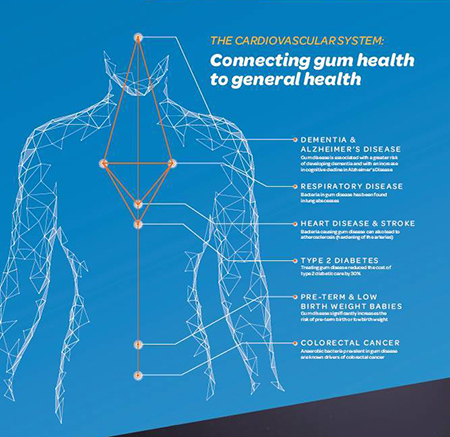
You can reduce the risk of a host of problems by visiting us twice a year. If you neglect your gums and avoid dental care, there is more bad news. Gum disease causes health issues for your mouth and jaw, but studies have also proven a link between the potent bacteria that causes gum disease and systemic illness, including:
- Heart disease
- Stroke
- Diabetes
- Respiratory disease
- Dementia
- Preterm labor and low birth weight
Pregnancy & Periodontal Disease
Oral health habits are often passed down from generation to generation, and we’re starting to see the impact of oral health on the next generation, even before birth.
Research has shown that pregnant women with gum disease are at higher risk of preterm delivery of low-birth-weight infants. This correlation can be followed through the bloodstream, from the mother’s oral cavity to the placenta, where oral bacteria can activate enzymes that trigger labor.
For this reason, women benefit immensely from extra dental care during pregnancy.
What Are My Gum Disease Treatment Options?
Your treatment options will depend on the extent of gum disease present. Early gum disease can be treated in the following ways:
- Scaling and root planing (deep cleaning)
- Antibiotics
- Perio Protect/Perio Tray®
- Laser therapy
For advanced gum disease (periodontitis), a combination of these treatments and laser or conventional gum surgery is often necessary.
To ensure continued oral health, Dr. Fedin recommends that patients treated for gum disease be seen four times per year for cleanings and exams to ensure patient compliance and tissue health.
How Does Gum Disease Treatment Work?
- Scaling and root planing (deep cleaning) – After administering a local anesthetic, our hygienist uses a tool to reach below the gum tissue and remove bacteria-rich plaque and tartar build-up from tooth surfaces and pockets. This process reduces the pocket depth and allows healthy gum tissue to reattach to the tooth.
- Antibiotics – This medication may be applied to your gums or prescribed for oral use to clear up existing infections.
- Perio Protect/Perio Tray® – These custom trays are molded specifically to your teeth and gums to gently deliver bacteria-fighting hydrogen peroxide deep below your gums where a toothbrush can’t reach. Perio Protect can also brighten teeth and freshen breath.
- Laser therapy – Using laser technology to treat the soft tissues around teeth kills bacteria and promotes healing. It is also an excellent method to treat sensitive teeth and can be used to remove excess gum tissue to improve a gummy smile.
When surgical intervention is needed, techniques may include:
- Pocket reduction surgery (flap surgery)
- Soft tissue grafts
- Bone grafting
- Guided tissue regeneration
- Tissue-stimulating proteins
What Is Recovery Like After Receiving Gum Disease Treatment?
Early gum disease treatment may cause minor sensitivity after the anesthetic wears off. Dr. Fedin may advise you to use toothpaste for sensitive teeth until your treatment is complete and your gums are fully healed.
Oral surgery involves a longer recovery period that depends on the extent of treatment necessary, and you may be limited to eating soft foods for a period of time.
What Results Can I Expect After Receiving Gum Disease Treatment?
Once your gums are healed, they will look healthier, are less likely to bleed or experience swelling, and support your teeth better. If your teeth were loose, grafting and regenerative procedures may have stabilized them, and you should be at a lower risk of tooth loss.
Your Chicago, IL, Periodontal Treatment Provider
When you choose Dr. Fedin as your Chicago dentist, you can expect to be treated like family. He recommends the same treatments for his patients as he does for his closest friends and relatives. You can depend on Dr. Fedin to pay close attention to your dental concerns so he can provide the best treatments for your oral health needs.
Learn more about treating gum disease in Chicago, Illinois, or schedule a consultation by calling (312) 642-6631.